How to Use Pinterest to Promote Affiliate Products in the Health and Protein Niche
Pinterest is a powerful traffic source for affiliate marketing, especially in the protein and healthy eating niche. Discover how to set up boards, design pins, and drive consistent clicks to your blog and affiliate products.


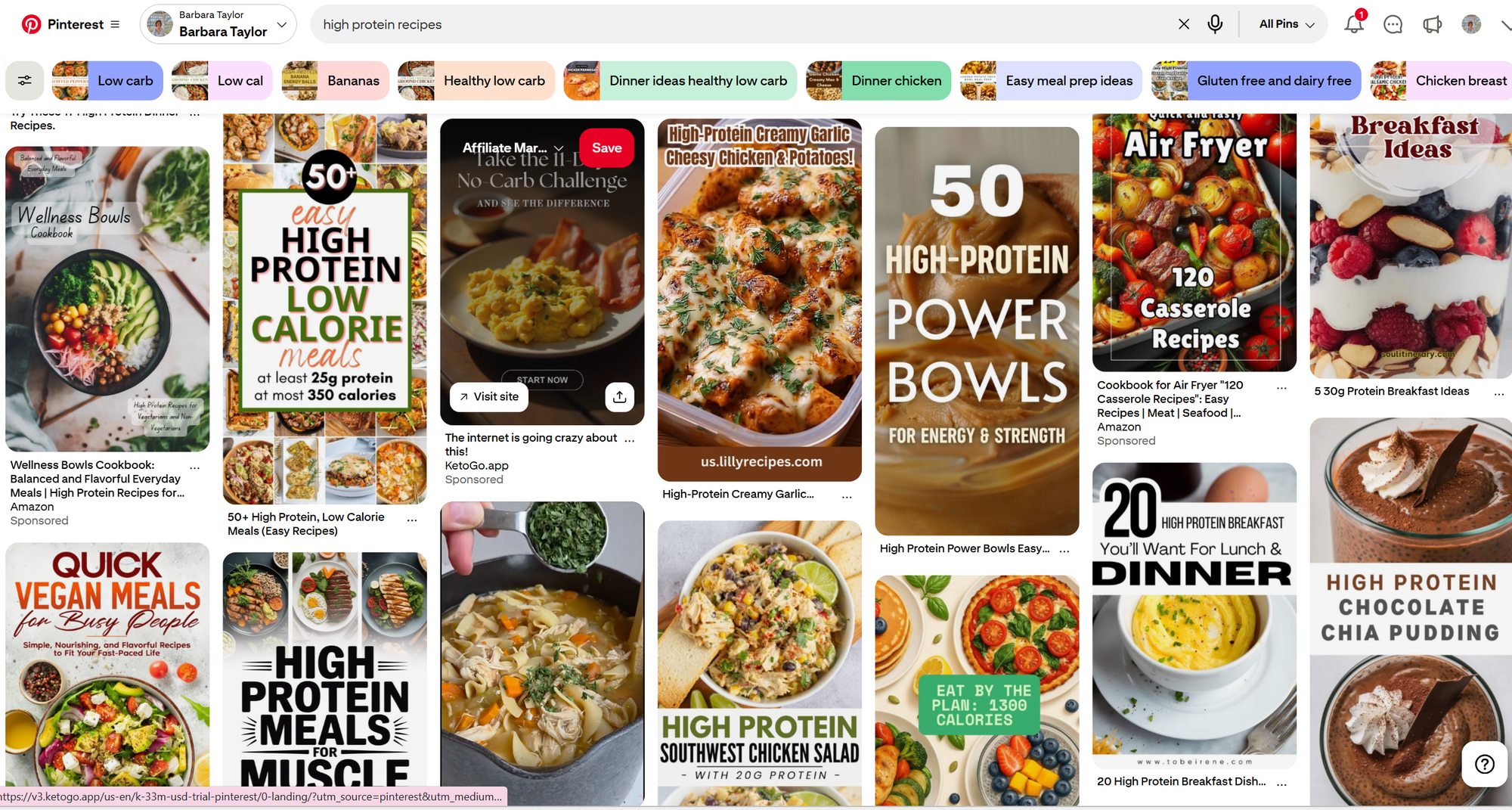
If you’re an affiliate marketer in the health and wellness space, chances are you’ve already seen the power of Pinterest. With over 465 million active users, Pinterest isn’t just another social media platform, it’s a visual search engine. That means people go there with intent. They’re actively looking for recipes, workout tips, and healthy lifestyle hacks. And if you’re promoting protein powders, shakes, or clean eating affiliate products, Pinterest can be one of your best traffic sources.
Today, I’m going to show you how to use Pinterest for affiliate marketing in the protein and healthy eating niche, even if you’re starting from scratch.
Why Pinterest Works So Well for Affiliate Marketing
Unlike Instagram or TikTok, where people scroll for entertainment, Pinterest users are planners. They’re looking for solutions:
- Healthy recipe inspiration (hello, high-protein snacks!)
- Workout recovery tips (perfect for recommending protein supplements)
- Meal prep guides (where you can share affiliate links to your favorite products)
Because of this, Pinterest content lasts much longer than posts on other platforms. A single pin you create today could drive traffic to your affiliate link months or even years later. That’s passive marketing at its best.
Step 1: Set Up a Pinterest Business Account
If you’re serious about affiliate marketing on Pinterest, start with a Pinterest Business Account. It’s free and gives you access to analytics, audience insights, and the ability to claim your website or blog.
- Go to business.pinterest.com
- Convert or create your business profile
- Add a professional photo or logo
- Write a keyword-rich bio (ex: Helping women over 40 lose weight, build muscle, and eat healthy with protein-packed recipes and non-toxic living tips)
This helps Pinterest know what your content is about, so it can show your pins to the right people.
Step 2: Create Boards Around Protein and Healthy Living
Boards are how you organize your content on Pinterest. Each board should focus on a specific keyword or topic your audience is searching for.
Examples of board ideas for the protein and affiliate marketing niche:
- High Protein Meal Prep Recipes
- Protein Shakes for Weight Loss
- Healthy Eating After 40
- Non-Toxic Kitchen Swaps
- Affiliate Marketing for Beginners (yes, you can branch out if you teach this too!)
Make sure your board titles use long tail keywords. For example, instead of “Recipes,” go with “High Protein Recipes for Weight Loss and Energy.”
Step 3: Design Scroll-Stopping Pins
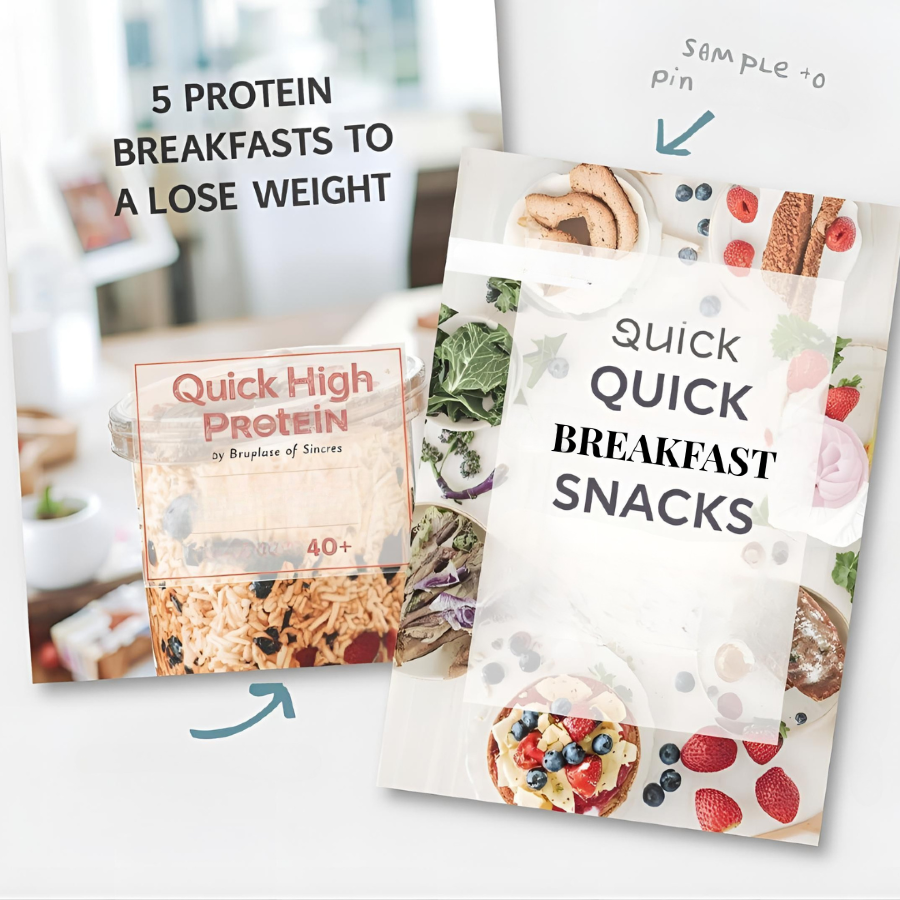
Pinterest is visual, so your pins need to stand out. You can use free tools like Canva to create pins with clear text overlays and bright, clean images.
For example:
- Image: A smoothie bowl topped with fruit and chia seeds.
- Text Overlay: “5 High Protein Breakfasts That Keep You Full Until Lunch.”
- Link: Your blog post that includes affiliate links to protein powders.
Pro tip: Use Pinterest SEO keywords in your pin title and description. A description might look like this:
“Looking for high protein breakfast ideas? These easy recipes will help you stay full and energized. Perfect if you’re trying to lose weight after 40 or fuel your workouts. Includes my favorite protein powder recommendations.”
This way, your pin has a higher chance of showing up in searches like “protein breakfast recipes” or “weight loss after 40 meal prep.”
Step 4: Drive Traffic to Your Blog, Then to Affiliate Links
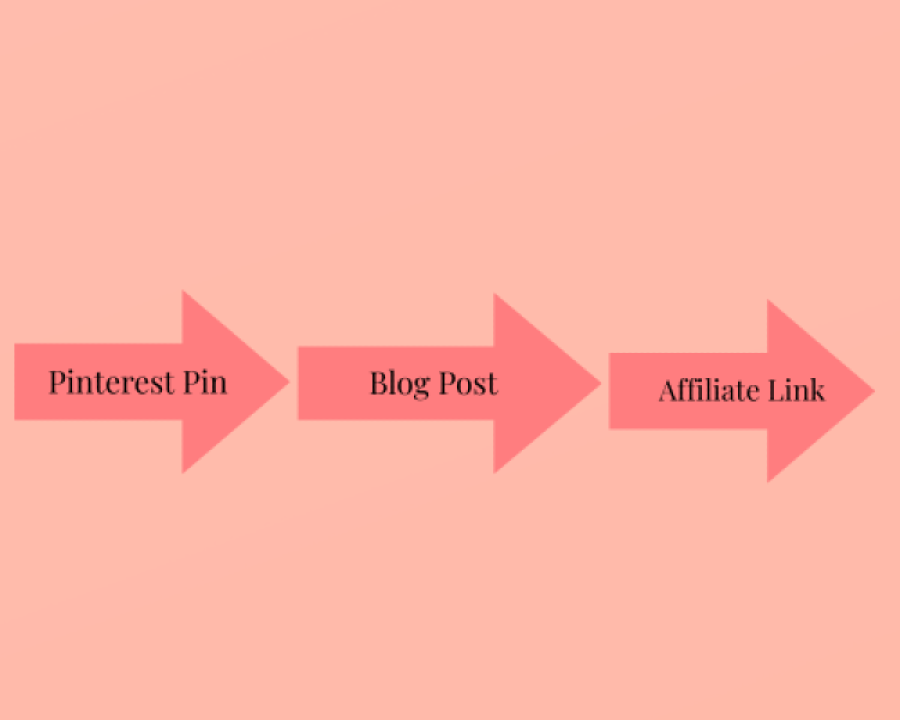
Pinterest does not love direct affiliate links. In fact, sending people straight to them often results in fewer clicks. Instead, create blog posts that include your affiliate products naturally.
For example, write an article like:
- “10 High Protein Snacks for Busy Women Over 40”
- “The Best Protein Powder for Weight Loss and Energy”
- “How to Boost Protein Intake Without Eating Meat”
Inside these blog posts, you can link to your affiliate products. Then use Pinterest pins to drive traffic back to the blog. This gives you:
- More trust with your audience
- Better click-through rates
- The chance to grow your email list (hello, future sales!)
Step 5: Be Consistent With Pinning
Consistency is key on Pinterest. You don’t need to post 20 pins a day, but aim for at least 1–2 fresh pins daily. These can be different designs pointing to the same blog post.
Pinterest rewards creators who show up regularly. Over time, your pins will stack up and create a snowball effect, sending steady traffic to your affiliate content.
Step 6: Track Analytics and Optimize
Your Pinterest Business account gives you analytics on what’s working:
- Which pins are getting the most clicks
- What keywords people use to find your pins
- Which boards are performing best
Use this data to double down on what’s already working. For example, if you notice that your “High Protein Lunch Ideas” pins are performing well, create more content and pins around that topic.
Not Just for Protein: Apply This to Any Affiliate Niche
And here’s the best part, you don’t have to be in the protein or healthy eating space to make this work. The exact same Pinterest strategies apply no matter what affiliate products you’re promoting. Whether it’s home décor, digital courses, fitness gear, or non-toxic cleaning products, you can use boards, keyword-rich pins, and blog content to drive traffic and grow your affiliate income. Pinterest is flexible enough to support any niche, you just need to show up consistently and speak to your audience’s needs.
Final Thoughts: Pinterest + Protein = Affiliate Marketing Gold
Pinterest is one of the most underutilized platforms for affiliate marketers, especially in the protein and healthy eating niche. People are already searching for high protein recipes, clean eating ideas, and weight loss solutions. Your job is to meet them there with helpful content that naturally includes your affiliate products.
So, start simple: create a blog post with your favorite protein-packed recipes, design a few eye-catching pins in Canva, and post them to a keyword-rich board. Then repeat. With consistency, your Pinterest account can become a long-term traffic machine for your affiliate business.

Want to learn more about how to use Pinterest to send traffic to your offers? There's a class for that!
Stay tuned!
Ready to get started?
If you want to learn more about affiliate marketing, grab my free checklist: Step-by-Step Checklist to Start a Thriving Affiliate Marketing Business.
And if you’d like to learn how to use protein in your own health journey, message me, I love helping women discover how protein can transform their energy, weight, and confidence.
barbara@wholeyouliving.com
✨ Want more tips on fueling both your health and your business? Be sure to subscribe to my blog so you don’t miss the next post. And if you’d like to chat about how protein can support your own health journey, send me a message, I’d love to hear from you!
Join the conversation here by clicking the “Sign up now” button below and never miss out on a blog article, and you’ll be able to join in on the conversation with other members.
Affiliate Disclaimer:
Some of the links in this post are affiliate links. That means if you click through and make a purchase, I may receive a small commission—at no extra cost to you. Thank you for helping me continue to create honest, helpful content!